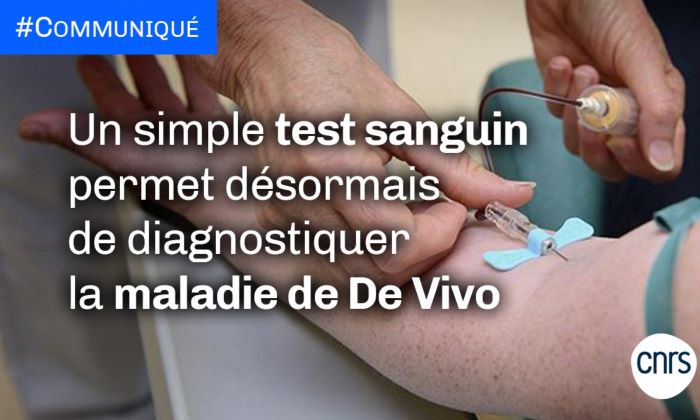

METAglut1TM obtains universal national coverage by French National Health Insurance as of February 22, 2024 after approval by the French National Authority for Health. A fine achievement for the collaborative work of several teams from l’AP-HP, l’IGMM Institut de Génétique Moléculaire de Montpellier (CNRS/Université de Montpellier) and Metafora-Biosystems . METAglut1, a fast, reliable blood test, provides an early diagnosis of … Continue reading Reimbursement in France for first IVD to help diagnose Glut1 deficiency syndrome
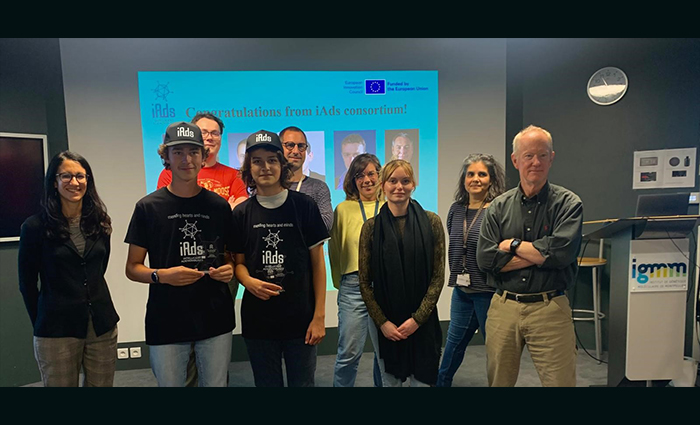
EKL coordinates project iAds – “Intelligent design of adenovirus vectors”. iAds is a European Innovation Council (EIC) Pathfinder project that aims to maximise the potential of adenovirus vector for vaccines and gene transfer. The consortium of 6 partners from 5 European countries will dedicate 4 years to develop an intelligent design of adenovirus vectors (iAds). The project aims to maximise … Continue reading EKL coordinates project iAds – “Intelligent design of adenovirus vectors”
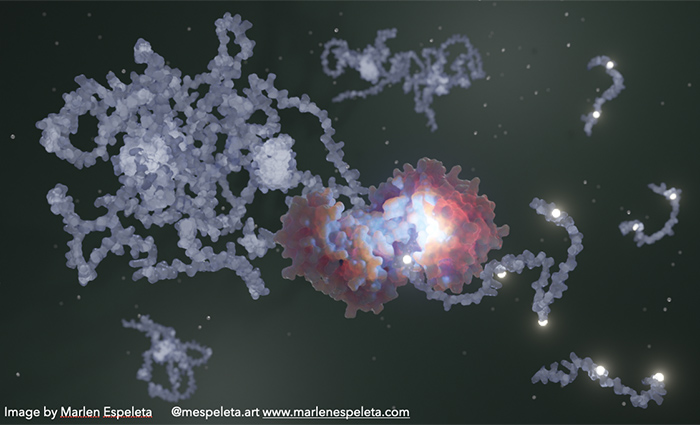
The cell cycle is driven by cyclin-dependent kinases (CDKs). How the global changes in protein phosphorylation mediated by CDKs promote a rapid and ordered cell reorganisation at mitosis onset has long been a mystery. Here, Valverde, Dubra and a consortium led by the Fisher lab (IGMM) and Altelaar lab (University of Utrecht) show that dynamics of protein phosphorylation in the … Continue reading Phosphorylation as a phase separation switch during the cell cycle
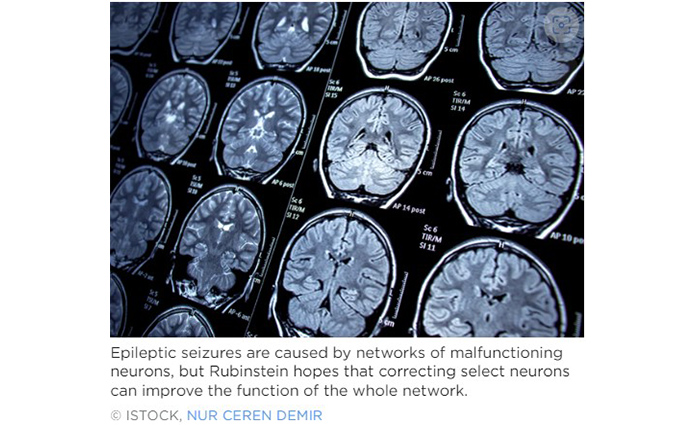
Dravet syndrome (DS), or severe myoclonic epilepsy of infancy, is a rare form of epilepsy affecting less than one in 10,000 people in the United States. However, in affected children, the condition can delay normal development and affect lifelong outcomes. Like many rare diseases, Dravet syndrome still has no cure, but a study recently published in the Journal of Clinical … Continue reading Defending against Dravet
Histone post-translational modifications control several fundamental processes on DNA, but very few phosphorylations are known. Here, Fisher, Krasinska and colleagues describe a new phosphorylation of Serine-57 of histone H3, on the globular core. They demonstrate its conservation from yeast to mammals, identify the DNA damage response kinase CHK1 as the major writer in human cells, and show that it loosens … Continue reading Controlling the nucleosome by phosphorylation for DNA repair